
What Does PPC Mean?
PPC stands for Pay-Per-Click — an online advertising model where you only pay when someone actually clicks your ad. Here’s everything you need to know to make it work for your business.
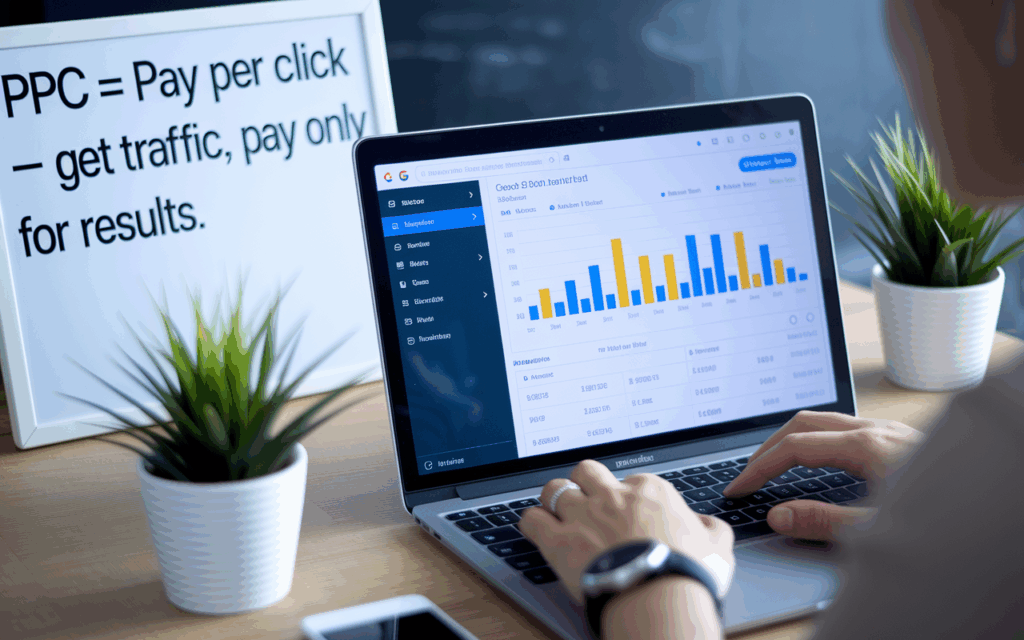
Pay-Per-Click Advertising
PPC is an online advertising strategy where advertisers pay search engines or other platforms to display their ads — but only pay when someone actually clicks. Using this model, your budget is only spent on real engagement, making it one of the most measurable and cost-efficient forms of digital advertising available.
How Does PPC Advertising Work?
Think of it like a billboard outside a store — except the store owner only gets paid if someone walks in and asks about the product. In the online world, an advertiser pays a web publisher for traffic, but only when a person actually clicks on the ad.
The advertiser bids on keywords relevant to their business. When someone searches for those terms, the ad enters an auction. The winner’s ad appears at the top of results — and the advertiser is only charged when that person clicks through to their site.
This model makes PPC highly efficient. Your spend is directly tied to actual user engagement, and you can set a daily or campaign budget cap so you never overspend.
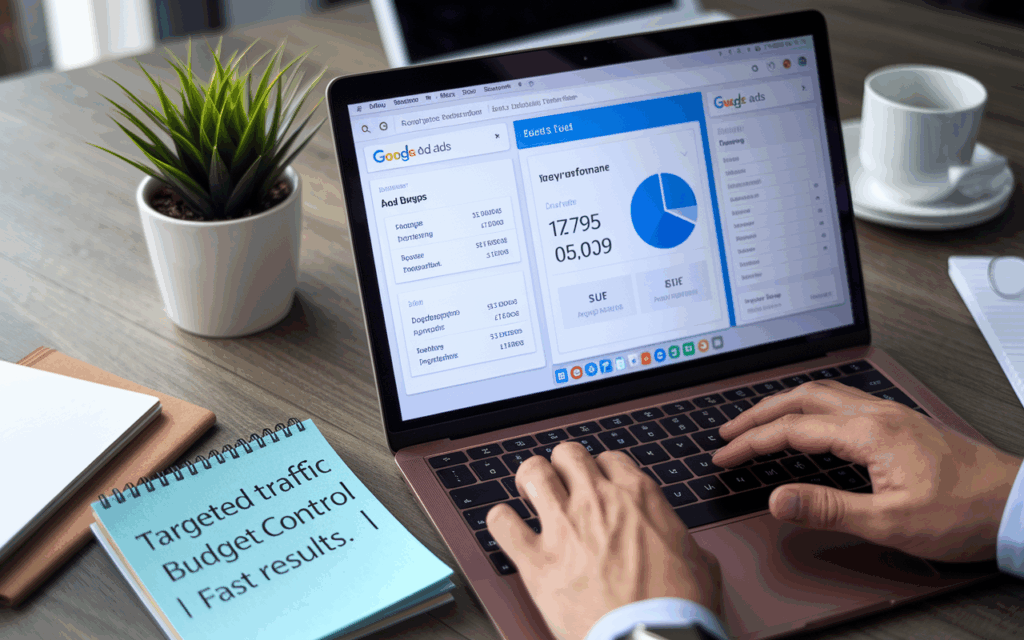
The Benefits of PPC Advertising
When set up and managed effectively, PPC can boost traffic and deliver highly measurable ROI — often outperforming many other marketing channels for speed and precision.
Easy on Your Budget
Unlike traditional advertising where you pay the same amount regardless of response, with PPC you only pay when someone engages. You can also set a hard budget cap so you never go over.
Quick Results
PPC can yield powerful, short-term results when evaluating web traffic. Unlike SEO, which builds over months, a PPC campaign can drive qualified traffic to your site within hours of launch.
Builds Brand Recognition
PPC helps you appear in more search results. The more consistently your brand shows up, the more likely people are to trust it, engage with your content, and ultimately make a purchase.
Precise Audience Targeting
Using keyword research, you can precisely target your ads to reach your ideal potential customer — by location, device, time of day, demographics, and search intent.
Valuable Metrics
Built-in analytics tools let you measure PPC rates, click-through rate, quality score, conversion data, and more — giving you a clear picture of ROI that most marketing channels can’t match.
How to Do Effective PPC Keyword Research
The success of your PPC campaign depends heavily on the keywords you choose. The right match type, search volume, and competitive data all determine whether your budget is well spent or wasted.
Understanding your goals is the first step. Do you want to convert more visitors? Hit a specific number of conversions per campaign period? Increase brand impressions in a target market? Your keyword strategy should align directly with your answer.
Use dedicated keyword tools — both free and paid — to discover new terms and get in-depth metrics around monthly search volume and cost per click. The most effective Google Ads campaigns are built around constantly updated, well-researched keyword sets.

Where Can You Run PPC Ads?
PPC advertising is available across all major digital platforms — each with its own targeting capabilities, audience, and ad formats.
How to Set Up a PPC Campaign
While PPC looks different from platform to platform, the core process follows the same logical steps — from goal-setting to going live.
Define Your Primary Goal
Before anything else, decide what you want the campaign to achieve — drive website traffic, generate leads, build brand awareness, or increase revenue. Every decision downstream flows from this.
Choose Your Campaign Type
Based on your goal, select the right campaign type — search ads, display ads, shopping ads, video ads, or app campaigns. Each serves different objectives and reaches audiences in different ways.
Set Your Targeting Parameters
Define your audience, devices, locations, and schedule. Precision targeting ensures your ads reach the right people at the right time — reducing wasted spend and improving conversion rates.
Set Your Budget & Bidding Strategy
Provide your daily or campaign budget and choose a bidding strategy — manual CPC, target CPA, target ROAS, or maximize conversions. Your bidding approach directly impacts how your budget is allocated.
Set Your Destination URL
Input the landing page where clicks will go. This should be a dedicated page that matches the ad’s message — not just your homepage. A strong landing page dramatically improves conversion rates.
Build & Launch Your Ad
Write compelling ad copy, add extensions where available, set your keywords and match types, and launch. Then monitor performance closely in the first 48–72 hours and optimize from there.
Ready to Launch a PPC Campaign That Actually Works?
Local Blitz manages Google Ads and paid campaigns for businesses across Indianapolis, San Diego, and beyond. Let’s talk about what PPC can do for your business.